
Starting January 1, 2025, Microalbumin and its related parameters have been added to the routine urinalysis at the “Mrcheveli” laboratory. This update has raised many questions among both patients and physicians. We have compiled these questions and provided answers below.
What is Albumin?
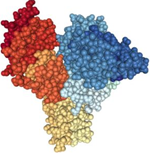
Albumin is a vital protein found naturally in the blood, where it performs numerous essential functions.
Albumin in Urine
Under normal conditions, healthy kidneys filter the blood and prevent albumin from passing into the urine. Therefore, there should be very little to no albumin present in a healthy person’s urine. However, if the kidneys are damaged, they may “leak,” allowing albumin to pass through the filtration system and into the urine.
What is Microalbuminuria?
Microalbuminuria is the presence of a small amount of albumin (a type of protein) in the urine. It is also referred to as moderate albuminuria.
Microalbuminuria vs. Albuminuria (Macroalbuminuria)
In both cases, albumin is present in the urine. The difference lies solely in the concentration levels:
-
Microalbuminuria: < 300 mg/g
-
Macroalbuminuria: > 300 mg/g Microalbuminuria is considered a less severe, yet early warning stage compared to macroalbuminuria.
What is Proteinuria?
Proteinuria is the general presence of protein in the urine. Standard urinalysis methods are primarily sensitive to albumin, which accounts for 90-95% of the protein detected. Typically, standard urinalysis detects proteinuria (albuminuria) only when the concentration exceeds 200-300 mg/L. To detect lower concentrations, Microalbumin and the Albumin-to-Creatinine Ratio (uACR) parameters have been added to our testing profile.
Detecting Other Proteins: The Sulfosalicylic Acid (SSA) Test
Since standard urinalysis primarily detects albumin, we have added the Sulfosalicylic Acid Test to identify other proteins (such as globulins) that may be present.
-
If both the protein test and the SSA test are equally positive, the protein is primarily albumin.
-
If the SSA test is significantly more positive than the standard protein test, it indicates the presence of other proteins (e.g., globulins), which is often seen in disorders of protein metabolism.
Does Albuminuria Always Indicate Kidney Damage?
Not necessarily. It can be categorized into two types:
-
Transient (Short-term) Albuminuria: Caused by dehydration, intense physical exercise, fever, infections, cold exposure, or a high-sodium/high-protein diet.
-
Chronic (Long-term) Albuminuria: Caused by diabetes, hypertension, heart disease, or chronic kidney disease (CKD).
Symptoms of Microalbuminuria
Microalbuminuria usually has no symptoms. It is an early warning sign. However, if it progresses to significant albuminuria, symptoms may include:
-
Foamy urine
-
Swelling (edema) around the eyes, face, legs, or abdomen
-
Increased frequency of urination
The Importance of the Albumin-to-Creatinine Ratio (uACR)
Urine concentration changes throughout the day based on fluid intake. While a 24-hour urine collection is the “gold standard,” it is often inconvenient and prone to collection errors.
Creatinine is excreted at a stable rate by the kidneys, making it a reliable marker for urine concentration. By dividing the albumin concentration by the creatinine concentration (uACR), we obtain a result that adjusts for urine dilution. This provides a value that closely approximates 24-hour collection results using only a single, spontaneous urine sample.
Interpreting uACR Results:
-
< 30 mg/g: Normal
-
31 – 299 mg/g: Microalbuminuria (requires monitoring)
-
> 300 mg/g: Macroalbuminuria (requires clinical intervention)
Conclusion and Recommendations
If a uACR result is > 30 mg/g, follow-up testing is recommended. To differentiate between transient and chronic albuminuria, the test should be repeated twice over a 2-3 month interval.
For patients at high risk (those with diabetes, hypertension, obesity, or a family history of kidney disease), regular screening is vital. Detecting issues at this early, asymptomatic stage allows for treatment that can significantly improve outcomes and prevent irreversible kidney damage.